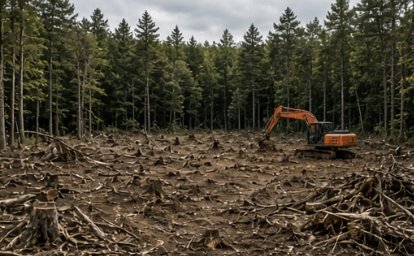
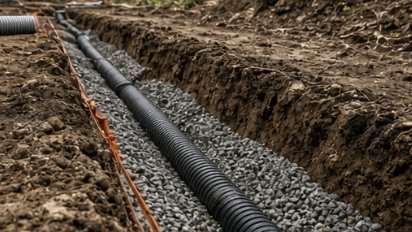
Bridgewater is the east shore of Newfound Lake and the west bank of the Pemigewasset, with Bridgewater Mountain standing between them. Half the houses were built as summer places, most of the town roads are still gravel, and the lots that aren’t on the water climb. We do the dirt work that fits that: camp foundations, hillside driveways, clearing to the buffer line, and getting water to go where it should.
The town line runs right along the east shore of Newfound — 4,451 acres of it, 183 feet deep in the middle, the third-biggest lake sitting entirely inside New Hampshire — and the Mayhew Turnpike, Route 3A, rides the hillside above it. Whittemore Point and the two Shore Drives carry the densest housing in town, much of it on lots platted long before the two-acre zoning came in. Cross the ridge and it’s a different place: River Road along the Pemigewasset, a sand-and-gravel aquifer underneath, floodplain at the edges, and the town’s own river-buffer ordinance on top of the state’s. In between, Bridgewater Mountain and its neighbors hold most of the 65 percent of town that’s in current use, with a fifth of that forest steeper than 25 percent. Of the twenty-some miles of town road, more is gravel than pavement, and every spring the postings go up: six tons on dirt, ten on paved.
Bridgewater treats a camp going year-round as a permit event — the building inspector wants a septic plan stamped by a licensed designer before the conversion is approved. If your foundation work is part of that conversion, get the septic design going first. The earthwork is the easy half.
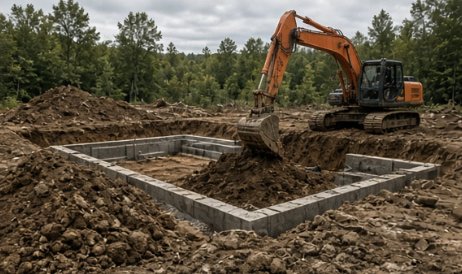
Foundations, pads, trenches, and grading — test pits first, flat quotes, on schedule.
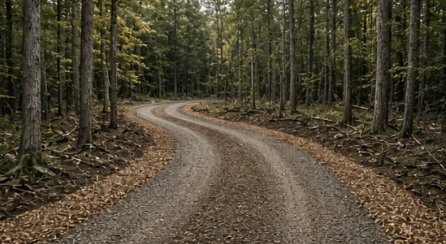
Gravel driveways built with real base and crown — and washouts fixed for good.
Free site walks, test pits before quotes, flat pricing, and a crew that knows Lakes Region ground.
Tell us where the property is and what you’re trying to do. We’ll walk the site, talk it through, and give you a straight, flat quote.
We reply to every request within 2 business hours.