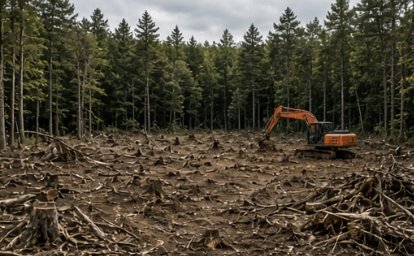
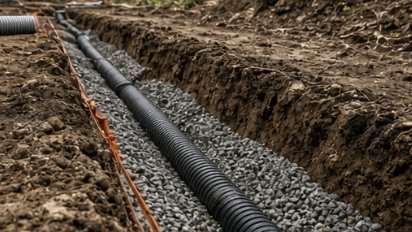
Plymouth is the Lakes Region’s college town, set where the Baker River meets the Pemigewasset below Plymouth State. Its river terraces offer some of the easiest digging in the region, and our work here is correspondingly varied: parking pads for rental properties, foundation and drainage work on village lots, and site prep on the terraces above the floodplain.
Plymouth sits on glacial outwash — deep sandy terraces laid down by the Baker and Pemigewasset — and that geology is a gift to excavators: fast digging, easy trenching, soils that drain almost too well. The flip side is the floodplain; both rivers claim real estate in a big spring, so we check flood zone lines early on any low-lying project and set grades accordingly. The rental economy around Plymouth State drives a steady, particular kind of work: gravel parking pads behind multi-unit houses, built with fabric under the base so four winters of plowing don’t churn them into mud, plus drainage fixes for backyards that six parked cars have compacted into ponds. Village lots are tight, with the usual old-town underground, so 811 marks come first. Summer is our Plymouth window for rental work — students gone, driveways empty, and eight clear weeks before the leases turn over in late August.
Building a parking pad for a Plymouth rental? Put geotextile fabric under the gravel — it’s a small line item that keeps the base from pumping down into the subsoil under daily traffic and plowing. A fabric-based pad is still a pad in ten years; a gravel-on-dirt pad is a mud problem by year three.
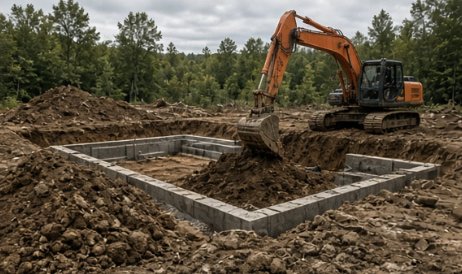
Foundations, pads, trenches, and grading — test pits first, flat quotes, on schedule.
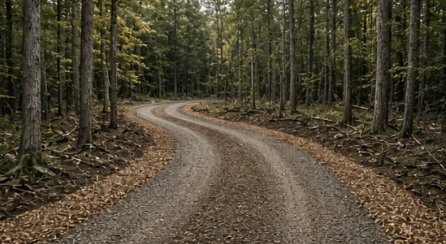
Gravel driveways built with real base and crown — and washouts fixed for good.
Free site walks, test pits before quotes, flat pricing, and a crew that knows Lakes Region ground.
Tell us where the property is and what you’re trying to do. We’ll walk the site, talk it through, and give you a straight, flat quote.